Peptide Libraries: 7 Essential Research Formats for 2025
Explore research-grade peptide libraries for high-throughput screening, receptor binding, and in vitro assays. Compare formats, quality control, and ordering.

Explore research-grade peptide libraries for high-throughput screening, receptor binding, and in vitro assays. Compare formats, quality control, and ordering.
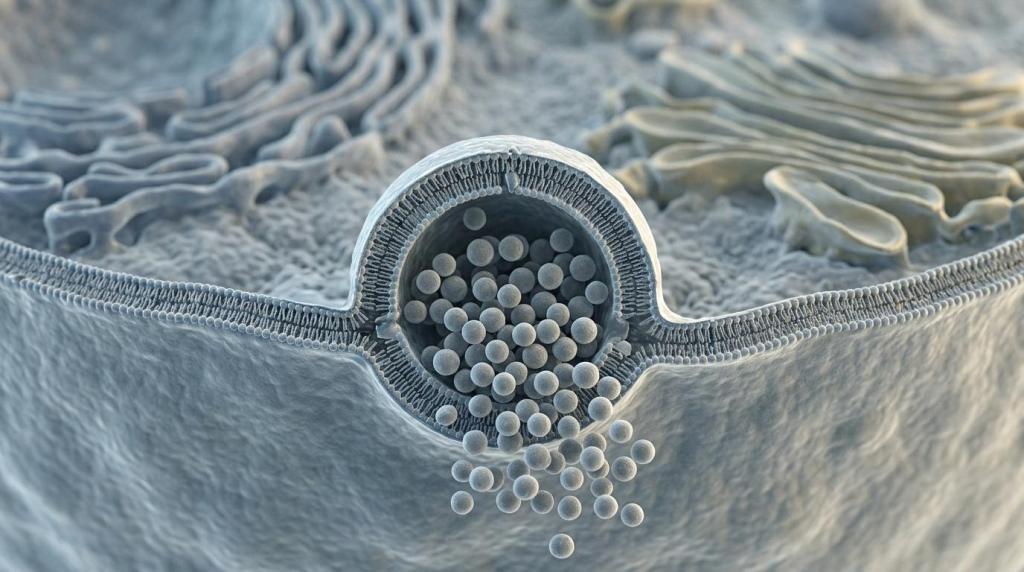
Hormones built from amino acids are often grouped together, yet the labels used for them can be surprisingly slippery. “Peptide hormone” and “protein hormone” sound
Cell penetrating peptides explained: TAT, penetratin, polyarginine at ≥98% purity with COA. Explore mechanisms, applications, storage, and sourcing.
peptide library supplies research-grade peptides at 98% purity with HPLC/MS verification and batch-specific COAs. Explore proven formats for in vitro research.
Research hub from Peptides Library breaks down hexarelin side effects by dose, route, and study design, including FDA flushing data and 16-week safety limits.
Comparing AOD 9604 with retatrutide is really a comparison between two very different research stories. At Peptides Library, this matters because both compounds are often grouped under the broad label
A peptide research library guide: 7 critical facts on purity grades, COA docs, storage, and organization for reproducible in vitro research.
Learn what a peptide research library is, how compounds are catalogued, and why lot purity documentation matters for reproducible laboratory research.
side effects research hub — If you’re trying to evaluate PEG-MGF side effects, Peptides Library gives you a research-first place to work from the evidence
peptide libraries: which research peptide suppliers are trustworthy in 2026? Compare COA, HPLC/MS verification, storage, and 5 vetted lab suppliers.
Comparison for research labs: evaluate peptide suppliers on purity grades, COA documentation, catalog breadth, and pricing factors. Research-use only.
Peptides Library maps IGF-1 LR3 side effects using the 2025 INCRELEX label, 71-subject clinical data, and 412,645 UK Biobank participants. Research-use only.